



Sep 08, 2025
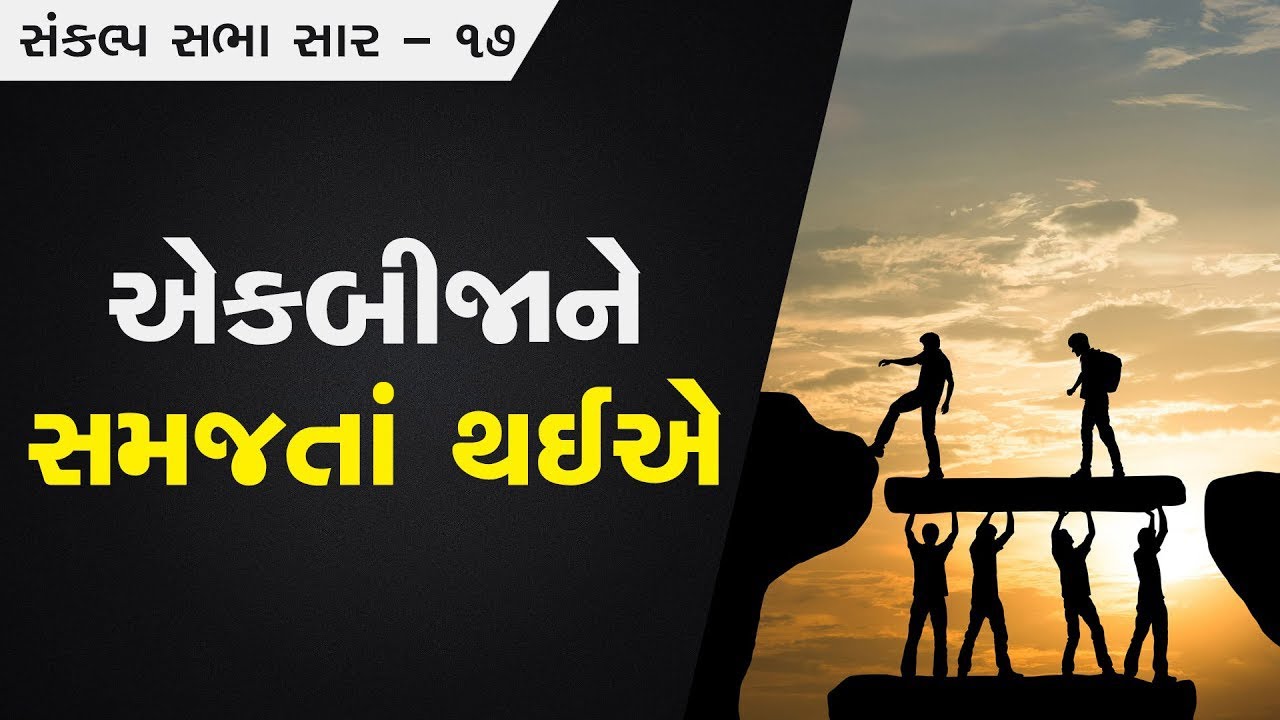
Why Do People Fail to Understand Each Other?
And Which Habits Prevent Mutual Understanding?
Let’s look at why people often can’t understand each other, and what behaviors make it difficult.
Why Can’t We Understand Each Other?
People love learning music, computers, or other skills — but they don’t like learning how to understand one another.
Why is that?
Because understanding someone else means letting go of our own viewpoint, our opinions, our mindset, and trying to see things from the other person’s perspective. That’s difficult because human nature wants to make others fit into our way of thinking.
Many times, we already have a negative opinion about someone before we even talk to them. As a result, even if they’re right, their correct words sound wrong to us. These fixed ideas and biases become a big obstacle in understanding others.
Habits That Prevent Understanding
(1) Ego or Pride (“I” feeling)
When a person becomes proud of their position, power, or knowledge, they stop trying to understand others.
They start believing: “Whatever I say is always right.” Then they speak arrogant words like:
-
“I’m your elder — don’t I know better?”
-
“I’ve seen more life than you.”
-
“I’m educated — you wouldn’t understand.”
By speaking this way, we reject others’ correct thoughts.
A person full of ego can never truly understand another person. Their mind is closed off.
Sometimes, there’s no real issue, but two people — because of their pride — refuse to understand each other. Then it leads to fights, legal cases, and endless stress. In the end, time and money are both wasted.
(2) Forcing One’s Own Way
A person who always wants others to do things their way can never understand others.
Once they decide something in their mind, they refuse to see others’ problems or situations.
They don’t think:
-
“Will this person be okay with it?”
-
“Can they really do it?”
-
“Will it cause them trouble?”
Such behavior creates pressure on others. It causes emotional, social, or even financial stress. When we ignore this, misunderstandings grow, and emotional distance forms — breaking mutual trust.
Not trying to understand each other causes unnecessary problems, and we end up hurting ourselves.
Example: The Two Trucks
Imagine two trucks coming from opposite directions at night. Both have their headlights on full beam.
If neither driver lowers their lights, what will happen? — A big accident.
Similarly, when both people think,
“Why should I be the one to understand? It’s their fault, not mine,”
conflicts are bound to happen — whether it’s between friends, family, or anyone else.
Even the closest relationships can break apart.
Education vs. Understanding
A person might be well educated — a doctor, engineer, manager, or teacher — and can teach others easily.
But if they don’t know how to understand others, their life fills with arguments and conflicts.
Those who learn to understand others find progress, peace, and happiness.
Disappointment and sorrow gradually leave their lives.
When Do We Need to Understand Others?
We need to understand others especially in group life — even small groups like a family of two or more people.
Conflicts arise not in isolation but in relationships.
Let’s see some situations where understanding others is important.
(1) When Someone Is in a Difficult Situation
A boy was sent from his village to the city to study, living with his elder brother and sister-in-law.
However, the sister-in-law disliked him. She treated him poorly, and gradually the boy became very unhappy.
Even though he was a good student, this emotional pressure affected his studies.
One day, the boy wrote to his parents:
“I’ll stay in a hostel now. I can’t stay with my brother anymore.”
His father replied,
“If you want to study, you must stay there. A hostel isn’t better than home. Stop making excuses.”
The father didn’t even try to understand the boy’s situation.
Eventually, the boy’s studies suffered, and he became depressed — even thinking about suicide.
Because the father failed to understand his son’s condition, he had to face the painful consequences.
Learning to Listen and Empathize
In families or communities, we often don’t even listen fully when someone speaks.
We don’t ask:
-
Why are they saying this?
-
What’s really troubling them?
-
What’s their reason or purpose?
Instead, we make quick judgments based on what we see, hear, or assume.
We may hear something bad about someone and instantly believe it — without knowing the truth.
But what we hear isn’t always correct.
Example: Parents and Children
Sometimes, parents are working hard, saving money, and struggling to educate their children.
Due to financial limits, they can’t always fulfill every demand.
But teenagers, comparing themselves to others, may get angry and threaten:
“If you don’t give me this, I’ll do that!”
Parents feel hurt and helpless.
The children fail to understand their parents’ sacrifices.
Their focus stays only on enjoyment, not understanding.
Why Do People Fail to Understand Each Other?
And Which Habits Prevent Mutual Understanding?
Let’s look at why people often can’t understand each other, and what behaviors make it difficult.
Why Can’t We Understand Each Other?
People love learning music, computers, or other skills — but they don’t like learning how to understand one another.
Why is that?
Because understanding someone else means letting go of our own viewpoint, our opinions, our mindset, and trying to see things from the other person’s perspective. That’s difficult because human nature wants to make others fit into our way of thinking.
Many times, we already have a negative opinion about someone before we even talk to them. As a result, even if they’re right, their correct words sound wrong to us. These fixed ideas and biases become a big obstacle in understanding others.
Habits That Prevent Understanding
(1) Ego or Pride (“I” feeling)
When a person becomes proud of their position, power, or knowledge, they stop trying to understand others.
They start believing: “Whatever I say is always right.” Then they speak arrogant words like:
-
“I’m your elder — don’t I know better?”
-
“I’ve seen more life than you.”
-
“I’m educated — you wouldn’t understand.”
By speaking this way, we reject others’ correct thoughts.
A person full of ego can never truly understand another person. Their mind is closed off.
Sometimes, there’s no real issue, but two people — because of their pride — refuse to understand each other. Then it leads to fights, legal cases, and endless stress. In the end, time and money are both wasted.
(2) Forcing One’s Own Way
A person who always wants others to do things their way can never understand others.
Once they decide something in their mind, they refuse to see others’ problems or situations.
They don’t think:
-
“Will this person be okay with it?”
-
“Can they really do it?”
-
“Will it cause them trouble?”
Such behavior creates pressure on others. It causes emotional, social, or even financial stress. When we ignore this, misunderstandings grow, and emotional distance forms — breaking mutual trust.
Not trying to understand each other causes unnecessary problems, and we end up hurting ourselves.
Example: The Two Trucks
Imagine two trucks coming from opposite directions at night. Both have their headlights on full beam.
If neither driver lowers their lights, what will happen? — A big accident.
Similarly, when both people think,
“Why should I be the one to understand? It’s their fault, not mine,”
conflicts are bound to happen — whether it’s between friends, family, or anyone else.
Even the closest relationships can break apart.
Education vs. Understanding
A person might be well educated — a doctor, engineer, manager, or teacher — and can teach others easily.
But if they don’t know how to understand others, their life fills with arguments and conflicts.
Those who learn to understand others find progress, peace, and happiness.
Disappointment and sorrow gradually leave their lives.
When Do We Need to Understand Others?
We need to understand others especially in group life — even small groups like a family of two or more people.
Conflicts arise not in isolation but in relationships.
Let’s see some situations where understanding others is important.
(1) When Someone Is in a Difficult Situation
A boy was sent from his village to the city to study, living with his elder brother and sister-in-law.
However, the sister-in-law disliked him. She treated him poorly, and gradually the boy became very unhappy.
Even though he was a good student, this emotional pressure affected his studies.
One day, the boy wrote to his parents:
“I’ll stay in a hostel now. I can’t stay with my brother anymore.”
His father replied,
“If you want to study, you must stay there. A hostel isn’t better than home. Stop making excuses.”
The father didn’t even try to understand the boy’s situation.
Eventually, the boy’s studies suffered, and he became depressed — even thinking about suicide.
Because the father failed to understand his son’s condition, he had to face the painful consequences.
Learning to Listen and Empathize
In families or communities, we often don’t even listen fully when someone speaks.
We don’t ask:
-
Why are they saying this?
-
What’s really troubling them?
-
What’s their reason or purpose?
Instead, we make quick judgments based on what we see, hear, or assume.
We may hear something bad about someone and instantly believe it — without knowing the truth.
But what we hear isn’t always correct.
Example: Parents and Children
Sometimes, parents are working hard, saving money, and struggling to educate their children.
Due to financial limits, they can’t always fulfill every demand.
But teenagers, comparing themselves to others, may get angry and threaten:
“If you don’t give me this, I’ll do that!”
Parents feel hurt and helpless.
The children fail to understand their parents’ sacrifices.
Their focus stays only on enjoyment, not understanding.
.jpg)