

Philosophy
SMVS Siddhant Sutra / Principle Statement
‘To understand (instill, inculcate, realize) the supreme Upasana of Lord Swaminarayan and attain the ultimate status of an Anadimukta is Karan Satsang.’
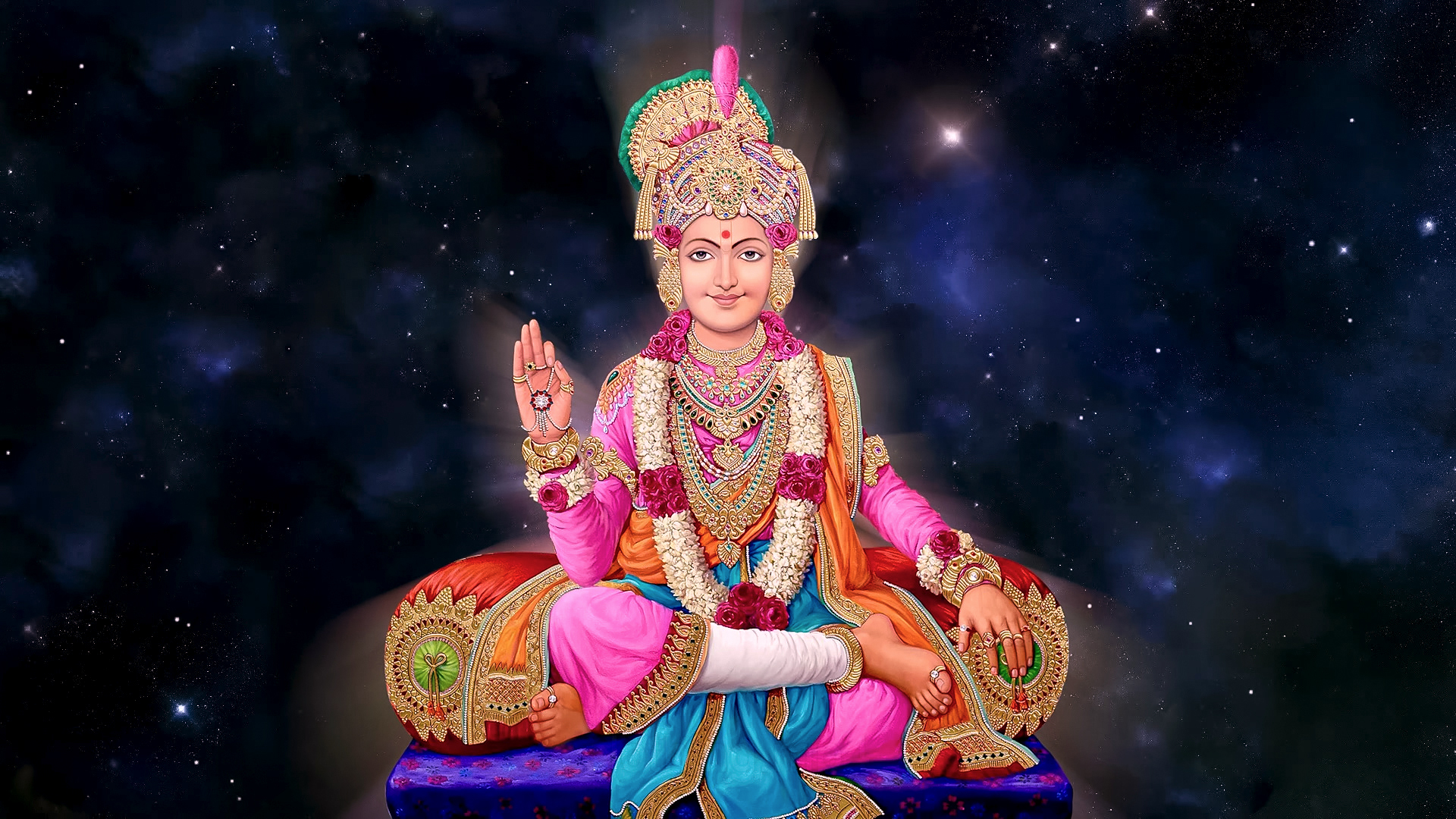
Lord Swaminarayan’s Divine Form and Supreme Devotion / Loyalty
Practicing Ashtanga Yog (eightfold path), which includes disciplines like Yam, Niyam, Asan, Pranayam, Pratyahar, Dhyan, Dharana, and Samadhi, reaching the state of Samadhi even once, requires passing through all prior stages. In earlier times, sages made intense efforts for spiritual realization, sometimes to the point that their bodies became covered with anthills—yet they often did not achieve Samadhi. Remarkably, Lord Swaminarayan granted the combined state of conscious and mind-free Samadhi to countless beings with ease. He also gave visions of Akshardham through Samadhi, granting this rare and extraordinary experience to innumerable beings—animals, birds, humans, devotees, and non-devotees—simply through his gaze, voice, touch, or even a clap.
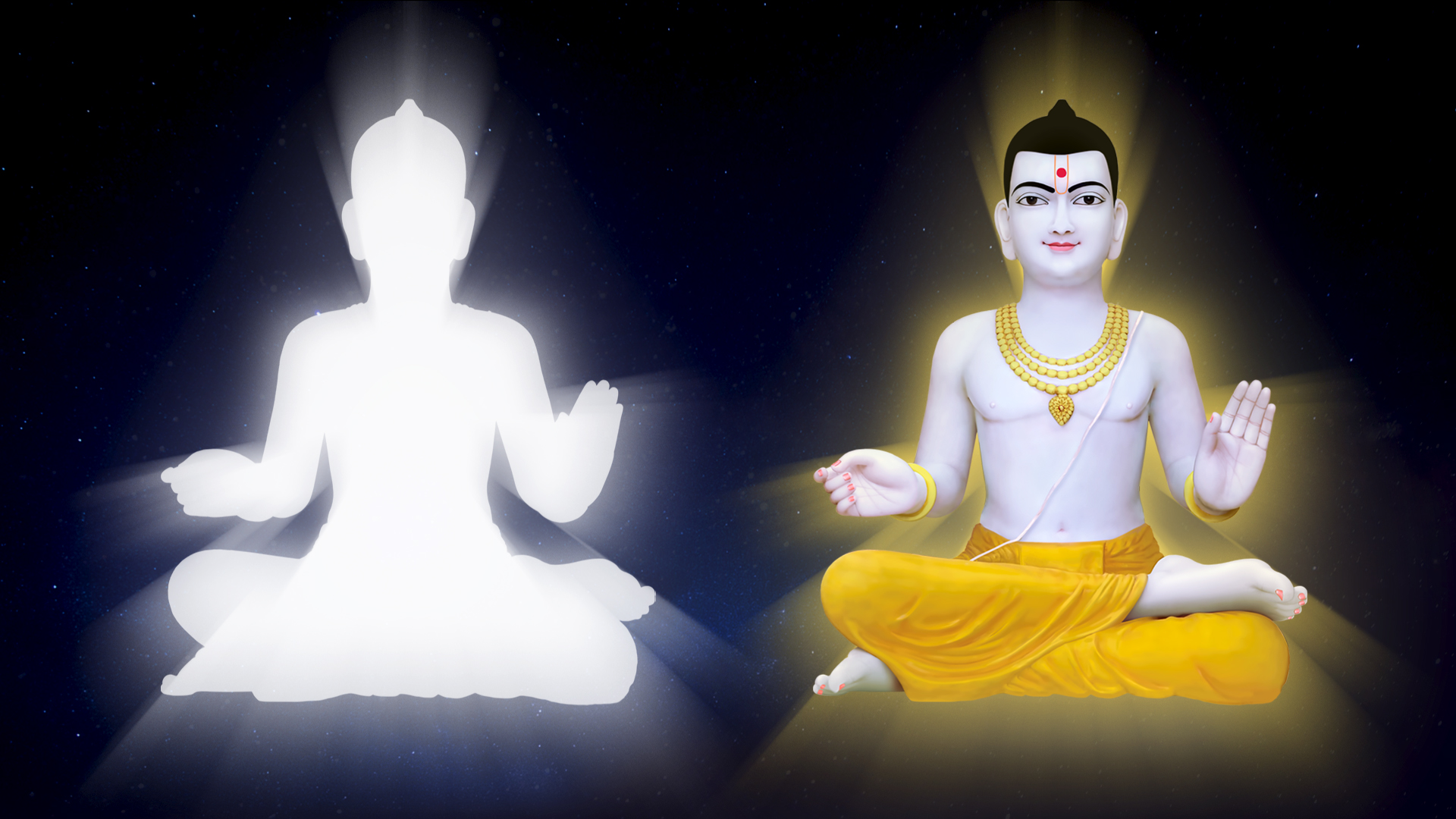
The Nature and Status of Anadimuktas
Bhagwan Swaminarayan, Abaji Bapashri, and the satpurushes who were contemporaries with Shriji Maharaj and Bapashri have explained the term ‘Anadimukta’ clearly: Anadimuktas are accomplished (siddha) muktas who eternally reside in the murti of Bhagwan Swaminarayan and enjoy its bliss.
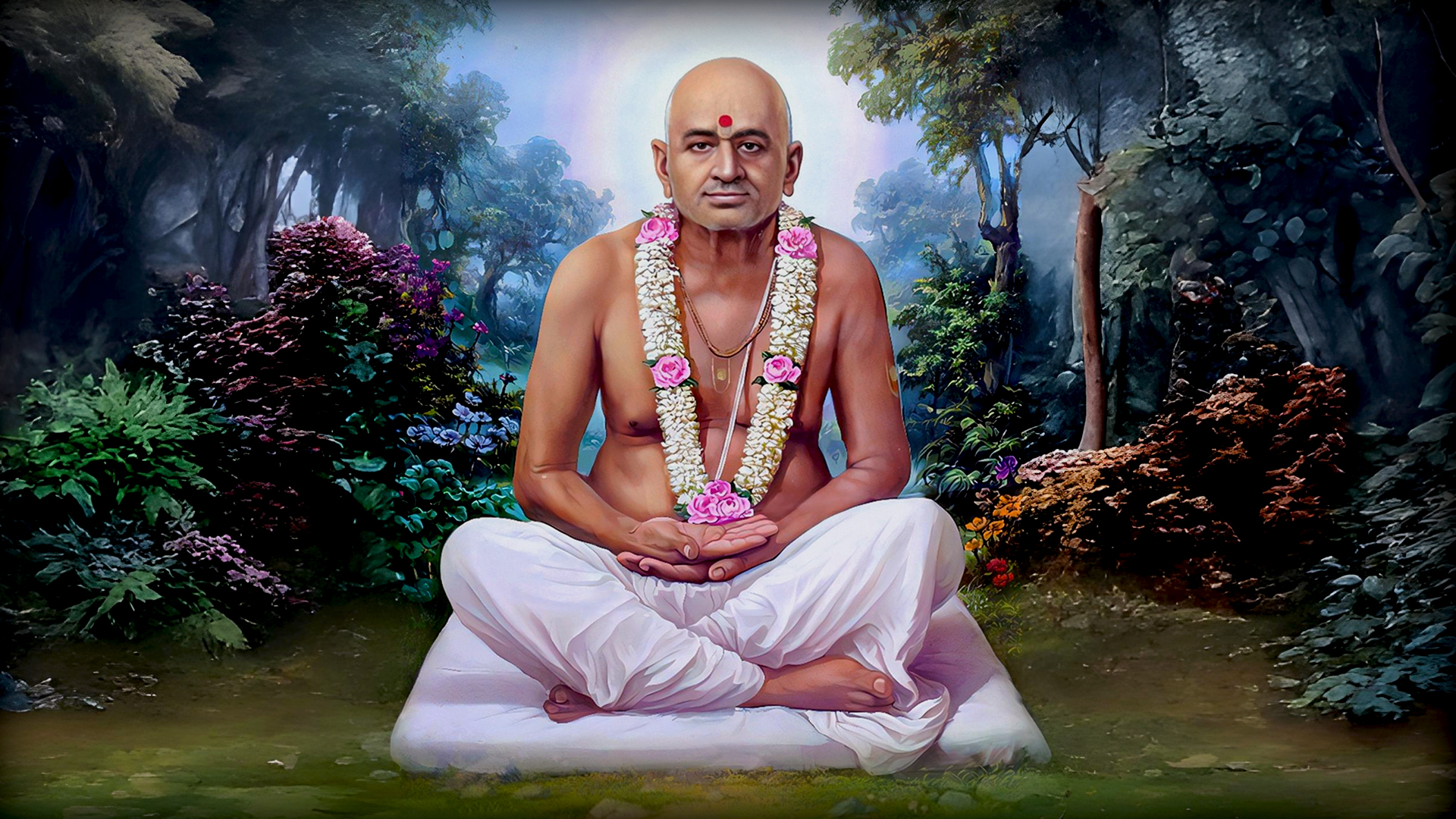
Karan Satsang
Shriji Maharaj alone is the Kāran (cause). The Anadimuktas reside within His divine Murti. The ultimate goal, focus, and destination for all devotees in the entire tradition is known as Karan. It is important to clearly distinguish between Karya and Karan. Jeevanpran Bapashri explained this difference very clearly. The principles taught by Bapashri are considered to be the true and authentic principles of Shriji Maharaj. Therefore, it is necessary to deeply understand and follow the principles of Karan Satsang.